
Interior Designers Hate These 5 Simple DIY Decoration Secrets: In the high-end design world, there is a quiet gatekeeping of certain techniques. Most professionals won’t admit it, but you don’t always need a ₹5,000-an-hour consultant to achieve a magazine cover look. Many designers rely on specific, low-cost optical illusions to justify their fees. After ten years of seeing how the industry operates from the inside, I’ve noticed that certain DIY fixes are so effective they actually threaten the traditional expert business model. These aren’t just crafts; they are structural cheats that change how your brain perceives a room’s value.
Check out this article to learn more about Interior Designers Hate These 5 Simple DIY Decoration Secrets.
1. The Rub’n Buff Metallic Finish
Designers often source vintage brass or antique gold fixtures that cost a fortune. You can achieve the exact same depth using a tiny tube of metallic wax finish. Applying this to cheap silver picture frames, curtain rods, or even plastic lamp bases gives them the weight and luster of real forged metal.

- The Secret: It’s a wax, not a spray paint, so it shows the texture underneath, making it look like solid ore rather than painted plastic.
2. Using Full-Size Floor Lamps in Tiny Corners
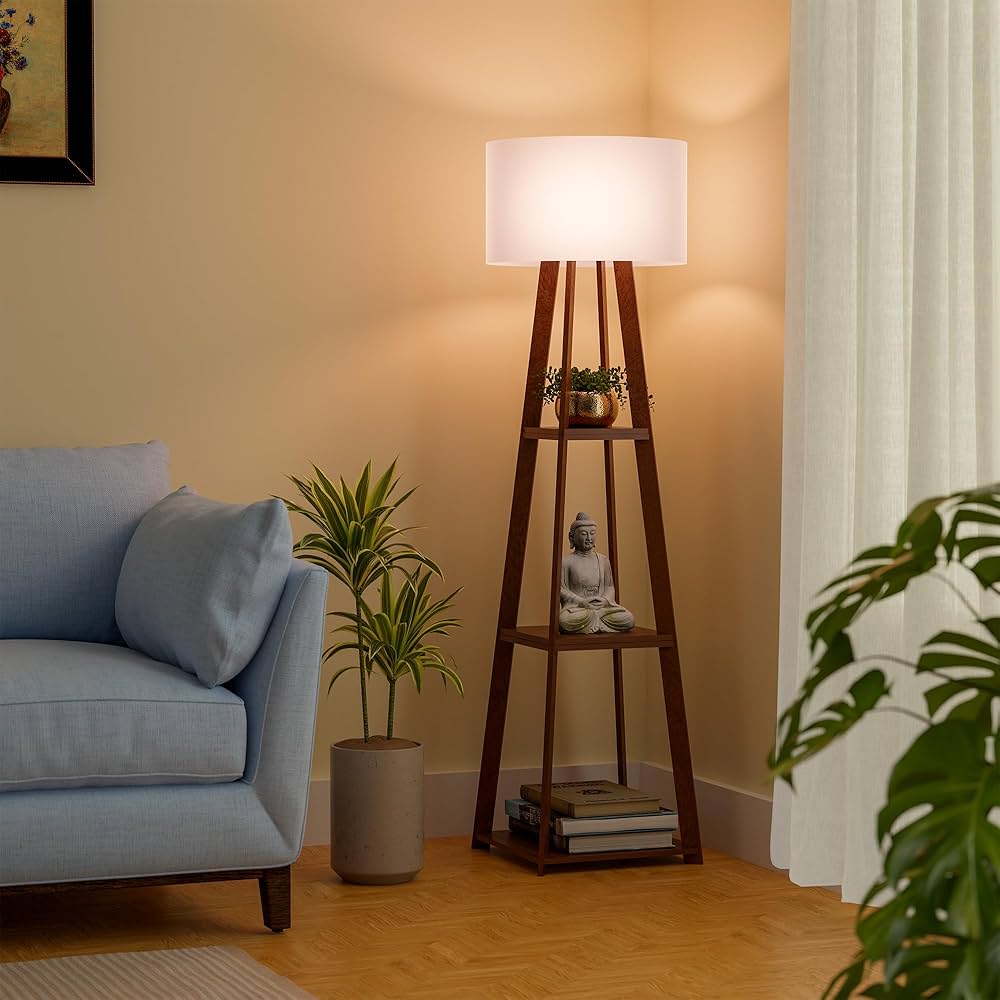
A common mistake is buying small furniture for small rooms. Designers hate it when you realize that putting a massive, over-arched floor lamp in a cramped corner actually makes the room feel larger. It creates a canopy effect, drawing the eye upward and outward, effectively stretching the perceived square footage of the floor.
3. The Custom Built-In Bookcase Hack
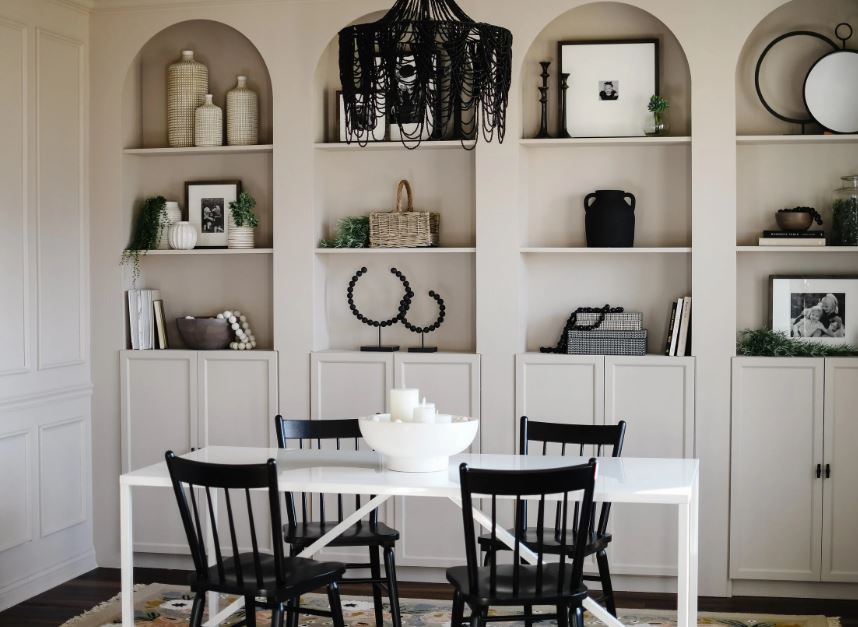
You don’t need a carpenter to build expensive library shelving. Take a standard flat-pack bookshelf (like an IKEA Billy), add thick crown molding to the top where it meets the ceiling, and a wide baseboard at the bottom. Once you caulk the gaps and paint everything the same color as your wall, the furniture disappears and looks like permanent, expensive architecture.
4. Double-Stuffing Cushion Covers
Ever wonder why designer sofas look so plump while yours looks flat? They don’t use the inserts that come with the covers. The secret is to buy an insert that is 2 inches larger than the cover (e.g., a 22-inch insert for a 20-inch cover). Using high-quality feather-down inserts instead of polyester fiber allows you to do the designer chop, creating that lived-in luxury look.
5. Rubbing Alcohol for Cloudy Surfaces

Before you replace dull marble or scratched acrylic furniture, use high-concentration Isopropyl Alcohol. It strips away years of wax buildup and cleaning residue that standard soaps leave behind. Many restoration experts use this simple solvent to bring back a factory-level shine to stone and plastic surfaces in minutes.
The Museum Lighting Angle
Based on gallery lighting standards, you should never point your accent lights directly at the center of a piece of art. Instead, aim the light at a 30-degree angle so the hot spot hits the top third of the frame. This creates a soft wash of light that mimics an expensive, professionally lit exhibit rather than a harsh spotlight.
Common Mistake: The Wall-Hugging Layout
Most people push all their furniture against the walls to save space. In the design world, this is a sign of an amateur. Even in a small room, pulling your sofa just 3 to 4 inches away from the wall creates breathing room. This tiny gap creates shadows that add depth, making the room look curated rather than just stuffed.

Mukesh Kumar is a dedicated news editor and content strategist known for delivering accurate, clear, and impactful stories. With strong expertise in home décor, business, technology, and trending topics, he focuses on creating well-researched, reader-friendly content that informs and engages audiences. Backed by over four years of experience in content writing, Mukesh currently contributes his skills and editorial insight to bamaclick.com, ensuring every article meets high standards of quality and reliability.